Teacher Feature: October 2026
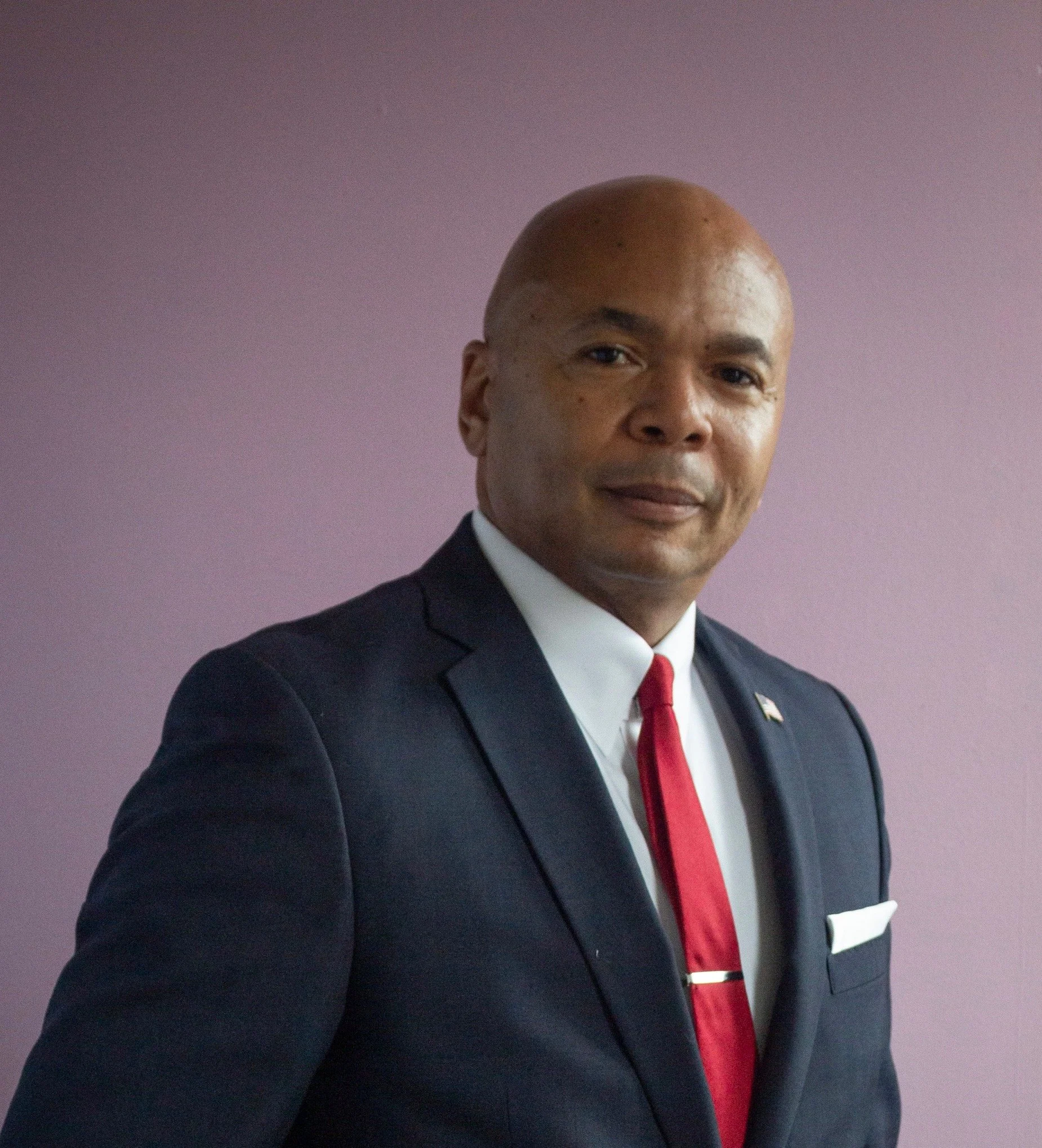
Tony Frazier
Aviation and Drone Technology Educator
Grace Hopper Center
Arlington, Virginia
Tony was a member of the STEM Teacher Leadership Academy in 2026.
Read our full interview with Tony below:
1. How do you bring real STEM challenges to life for your students?
I try to make aviation something students can see, touch, and apply instead of just reading about it in a textbook. We use flight simulators, FAA-style problems, weather, navigation, weight and balance, aircraftperformance, and real-world decision-making scenarios. I want students to understand not only what the correct answer is, but why it matters when you are flying an airplane or operating a drone. Whenever possible, I connect what we are learning to real aviation careers and situations they may encounter later.
2. What led you to your current role? Have you always been interested in teaching science and aviation?
Aviation has been part of my life for a long time. When I was younger, I dreamed of becoming an Air Force F-15 pilot. My path did not work out exactly that way, but I served more than 20 years in the Air Force and aviation never left me. Later, I used my G.I. Bill benefits to earn my private pilot certificate, instrument rating, commercial pilot certificate, and FAA Advanced Ground Instructor certificate.
Teaching gave me an opportunity to bring those experiences together. In many ways, I became the person I wish I had met when I was in middle school or high school, someone who could explain the different aviation pathways and help students understand how to get there. That has become a major part of my purpose as an educator.
3. What is your favorite classroom resource that you love to share with your students? What memorable lessons or activities have you been able to carry out using this resource?
My flight simulators are probably my favorite resource because they allow students to immediately connect classroom concepts to something they can experience.
For example, we can talk about pitch, roll, yaw, stalls, ground effect, navigation, weather, or aircraft control, and then students can get into the simulator and see what happens. I especially enjoy lessons where students initially think they understand a concept from the book, but then the simulator shows them why that concept matters in the airplane. That moment when the classroom material suddenly makes sense is one of my favorite parts of teaching aviation.
4. What is the best part about your job?
The best part is watching students discover what they are capable of. Some come into the program simply because airplanes are interesting to them, and then a few years later they are earning FAA credentials, becoming private pilots, entering collegiate aviation programs, pursuing military academies or ROTC, or beginning careers in aviation.
I also enjoy hearing from former students years later and seeing where aviation has taken them. When a former student tells me that something we did in class helped shape the direction of their life, that means more to me than any award.
5. Congratulations on your outstanding AFA award this year. Can you tell us more about the impact that has had on your career?
Thank you. Being selected as the 2026 Second Place National AFA/Rolls-Royce Aerospace/STEM Teacher of the Year was a tremendous honor, especially because it was my first time competing at the national level.
The recognition has given greater visibility not only to me, but to our students and the aviation program we have built. It has also opened more opportunities for me to connect with other educators, aviation organizations, and programs that are trying to create similar opportunities for students.
What has been especially meaningful is seeing that some of the things we developed in Arlington are now being shared with other aviation teachers and programs. To me, that is where the award has the greatest value. It provides a larger platform to share what is working, learn from others, and help more young people find pathways into aviation, aerospace, and STEM.
I still see the award as recognition of the students and the program more than recognition of me individually. Their accomplishments are what made it possible.
Thank you so much, Tony! Happy Fall to all of our educator friends in the D.C. area and beyond.